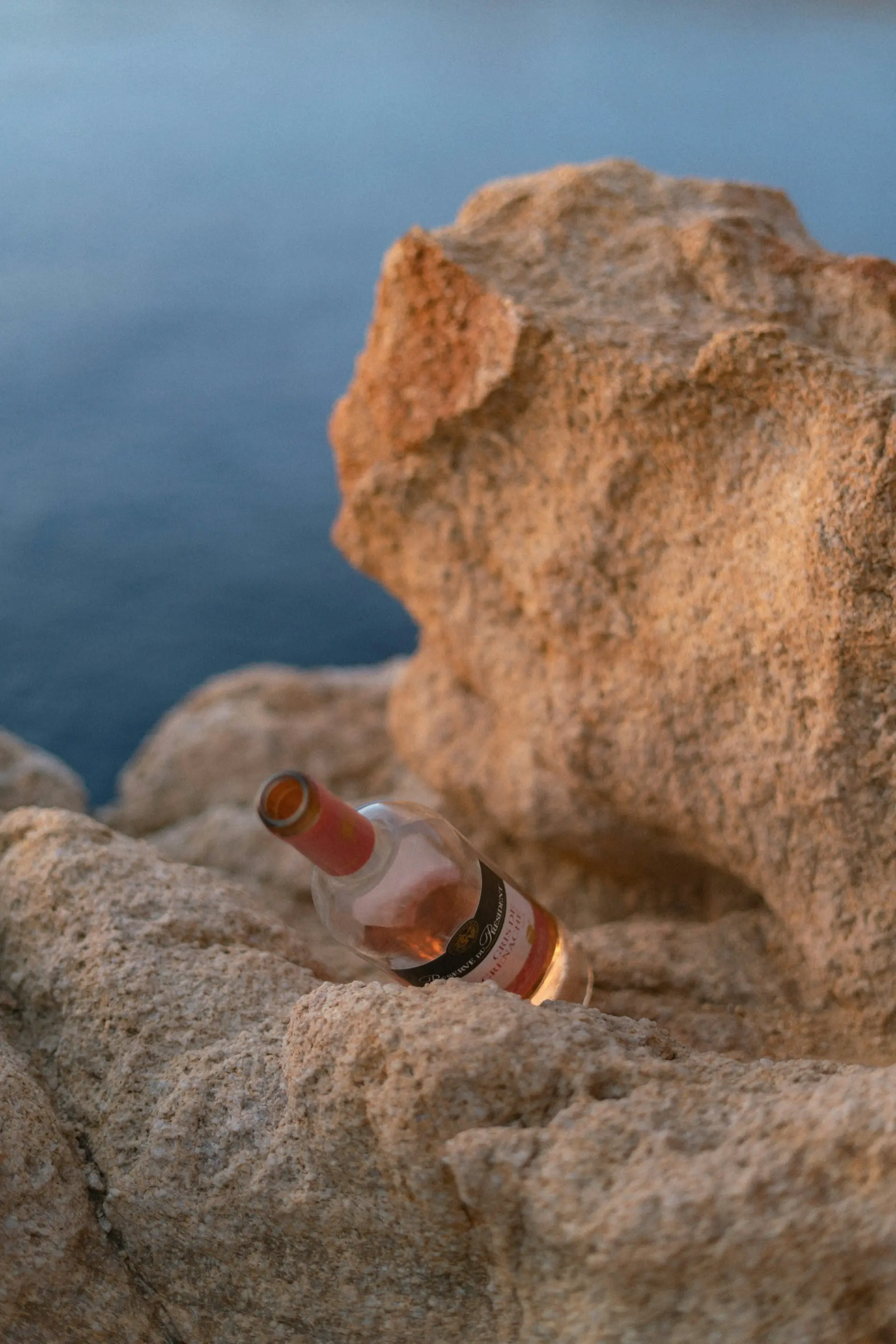
Corsica is an island of wine. This assertion often surprises travellers who associate it first with its beaches and mountains, yet the Corsican vineyard is one of the oldest in France. The Greeks were already planting vines here in the sixth century BC, and the Romans made the island a viticultural granary of the Empire. Today, after decades of qualitative reconquest, Corsican wines rank among the most interesting in the Mediterranean.
Around Porto-Vecchio and Figari, at the extreme south of the island, the vineyard benefits from exceptional conditions. Sunshine among the most generous in Europe, granitic soils that drain perfectly and release accumulated warmth, sea breezes that temper the summer heat and preserve the freshness of the grapes. It is a terroir of character, forged by the elements, that produces wines in its own image.
A vineyard between sea and mountain
What makes the South Corsica vineyard so singular is its geography. The plots are planted on hillsides descending from mountains to the sea, sometimes just a few hundred metres from the shoreline. This marine proximity plays a determining role. The salty spray, the iodine-laden winds, the thermal amplitude between day and night lend the grapes an aromatic complexity not found on the mainland.
The soils, principally granitic in the Porto-Vecchio region, bring the wines a characteristic minerality. The whites gain a saline tension much prized by sommeliers. The reds draw a fine, elegant structure, far from the sometimes excessive power of southern mainland wines. It is a style apart, recognisable among all others, that constitutes the charm of this region's wines.
The surrounding maquis also contributes to the wines' identity. The aromatic herbs growing between the rows of vines, the rosemary, thyme, immortelle and cistus, perfume the air the grapes breathe. Some tasters claim to find these maquis notes in the wines, like an echo of the landscape in the glass.
Corsican grape varieties
The richness of the Corsican vineyard rests on its indigenous grape varieties, cultivars found virtually nowhere else. Niellucciu, cousin of Tuscan sangiovese, is the island's emblematic red grape. It produces structured wines with firm but elegant tannins, aromas of black cherry, liquorice and spice. In South Corsica, it benefits from optimal ripeness that rounds its tannins and lends a remarkable suppleness.
Sciaccarellu is the other great Corsican red, finer, more ethereal, with notes of fresh red fruits, pepper and flowers. It is a capricious grape, sensitive to growing conditions, but one that rewards patient winemakers with wines of rare elegance. It is often found blended with niellucciu, the first bringing finesse, the second structure.
Vermentinu, the quintessential Mediterranean white grape, finds in Corsica one of its finest expressions. Corsican vermentinu whites stand out for their freshness, minerality and aromas of citrus, white flowers and fresh almond. Served well chilled, they accompany grilled fish and seafood from the coast magnificently.
Porto-Vecchio estates
The Porto-Vecchio appellation, one of Corsica's most confidential, numbers a handful of passionate estates cultivating vines on the granitic slopes descending towards the gulf. These winemakers, often established for several generations, produce wines of disarming sincerity, faithfully reflecting their terroir without artifice.
Porto-Vecchio reds are characterised by their suppleness and fruit. They drink well young but reveal fine complexity after a few years in the cellar. The rosés, pale and delicate, are ideal companions for summer lunches on the Villa Azaitu terrace, facing the sea. The vermentinu whites, lively and mineral, pair perfectly with seafood and grilled fish.
Several of these estates open their doors to visitors for tastings in a bucolic setting, between vines and maquis. It is an authentic way to discover Corsican wine, guided by those who bring it into being, listening to stories of the land and climate that shape each vintage.
Figari estates
The Figari appellation, the most southerly in France, enjoys a privileged microclimate. The vines, planted on a windswept plateau, benefit from exceptional sunshine and natural ventilation that limits treatments and favours grape concentration.
Figari wines have gained in reputation in recent years, carried by a new generation of winemakers combining traditional know-how with modern sensibility. The reds are more structured than at Porto-Vecchio, with dense matter and present but enrobed tannins. The whites stand out for a generous aromatic amplitude, blending exotic fruit and saline notes.
The road to Figari, crossing a landscape of vine-planted hills and maquis, constitutes a splendid excursion from Porto-Vecchio. Allow forty minutes' drive, with the option of combining an estate visit with the discovery of the wild beaches around Pianottoli.
Tastings and visits
Most Porto-Vecchio and Figari estates offer tastings, often free of charge, in their cellars or on their shaded terraces. The welcome is warm, the explanations passionate, and one almost always leaves with a few bottles to accompany evenings at the villa.
For a more complete experience, certain estates organise tours of their vineyards and facilities, allowing visitors to understand the work of the vine and the vinification choices. Others offer food and wine pairing workshops, matching the estate's vintages with local Corsican produce.
Our concierge service can arrange bespoke wine circuits, including transport, tastings and lunch at a winemaker's. It is the most comfortable and enriching way to discover the South Corsica vineyard.
Pairing wine with Corsican cuisine
Corsican wines were born to accompany the cuisine of their island. The pairings are natural, almost instinctive, forged by centuries of shared tradition between table and vine.
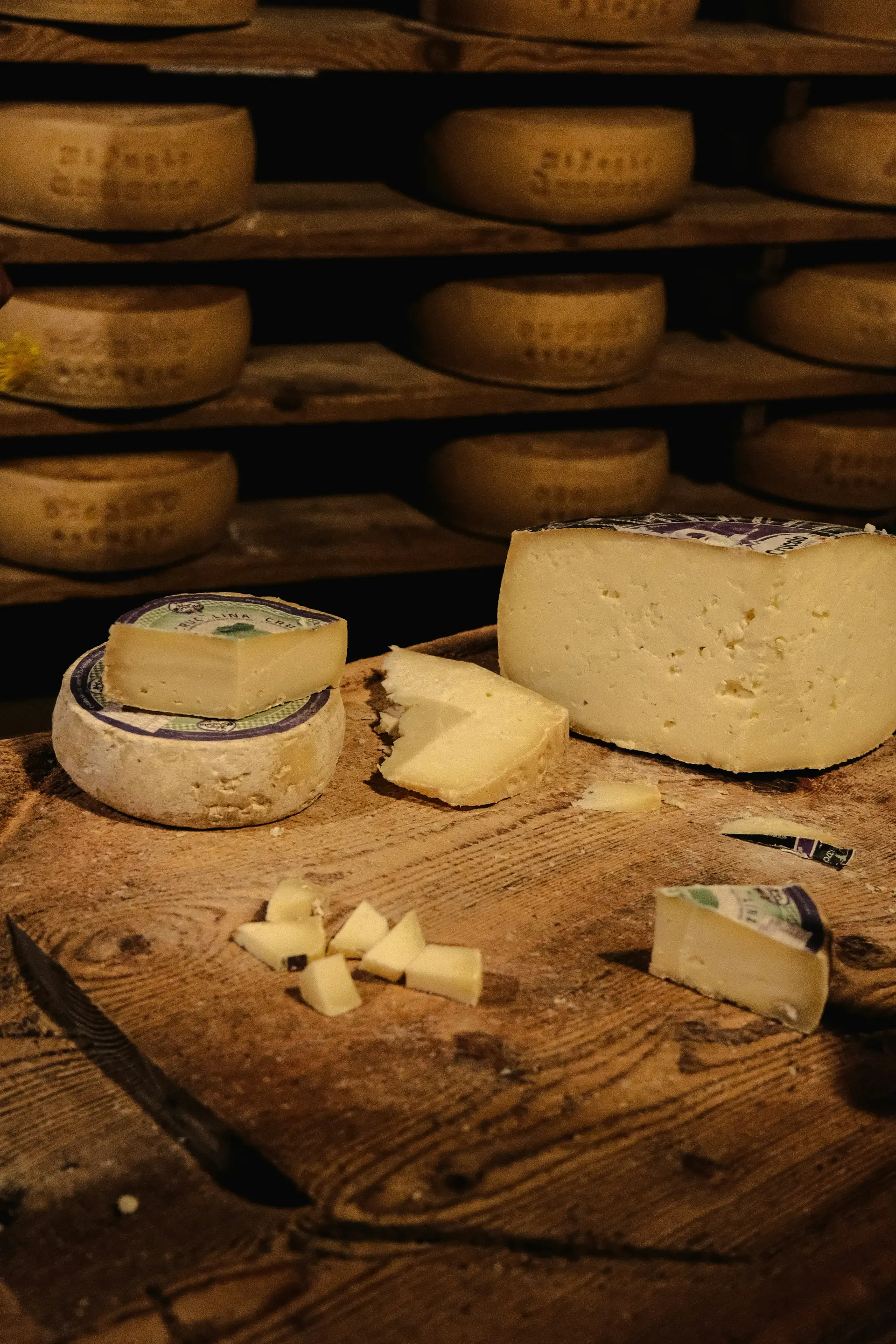
A Figari rosé with a plate of Corsican charcuterie. A vermentinu white with grilled langoustines. A niellucciu red with wild boar stew. A Cap Corse muscat with a brocciu fiadone. Each pairing reveals a new harmony, a complementarity between wine and dish that transcends the sum of their parts.
On the Villa Azaitu terrace at sunset, a glass of vermentinu perfectly accompanies the spectacle. The wine, fresh and saline, seems to carry within it the reflections of the sea shimmering below. It is in these simple moments that Corsican wine reveals its deeper nature: it is not made to impress, it is made to accompany the beauty of the moment.
Keen to discover Corsican wines from Villa Azaitu?
Book your stay